
Procedures
Spine Procedures We Perform
Brandon A. Ortega, MD, performs the full spectrum of spine procedures — prioritizing conservative care first and, when surgery is needed, using minimally invasive and motion-preserving techniques. Explore the procedures below to learn what each involves and what recovery looks like in Long Beach and Torrance, California.
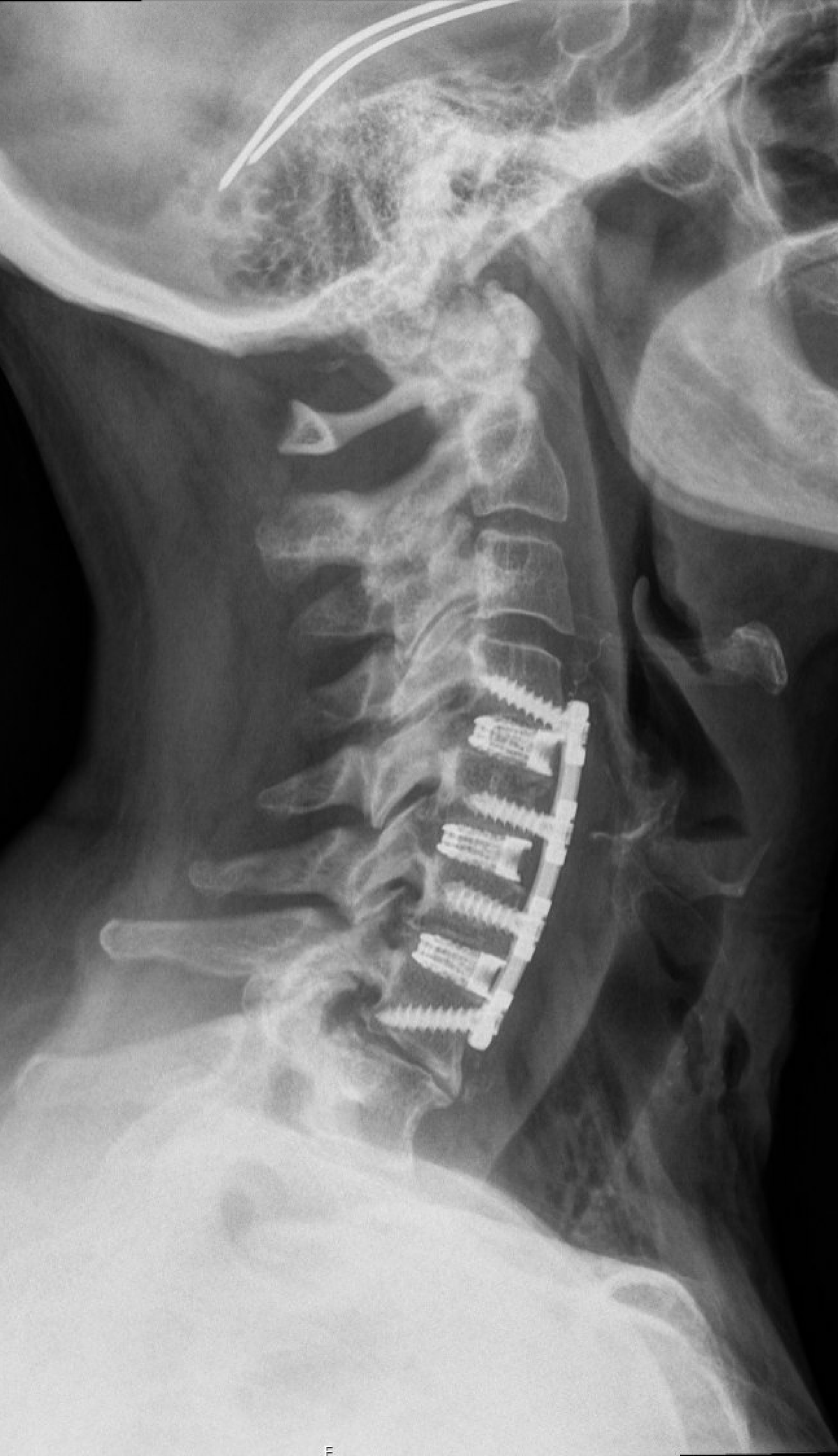
Anterior Cervical Discectomy & Fusion (ACDF) Surgery in Los Angeles
Anterior cervical discectomy and fusion (ACDF) is a proven surgical treatment for cervical disc herniation, spinal stenosis, radiculopathy, and spinal cord compression. The procedure removes the damaged disc, decompresses the spinal cord and nerves, restores disc height, and stabilizes the affected level through fusion. Dr. Brandon Ortega performs ACDF in Los Angeles for patients whose cervical anatomy, instability, degeneration, or spinal alignment makes fusion the most appropriate treatment.
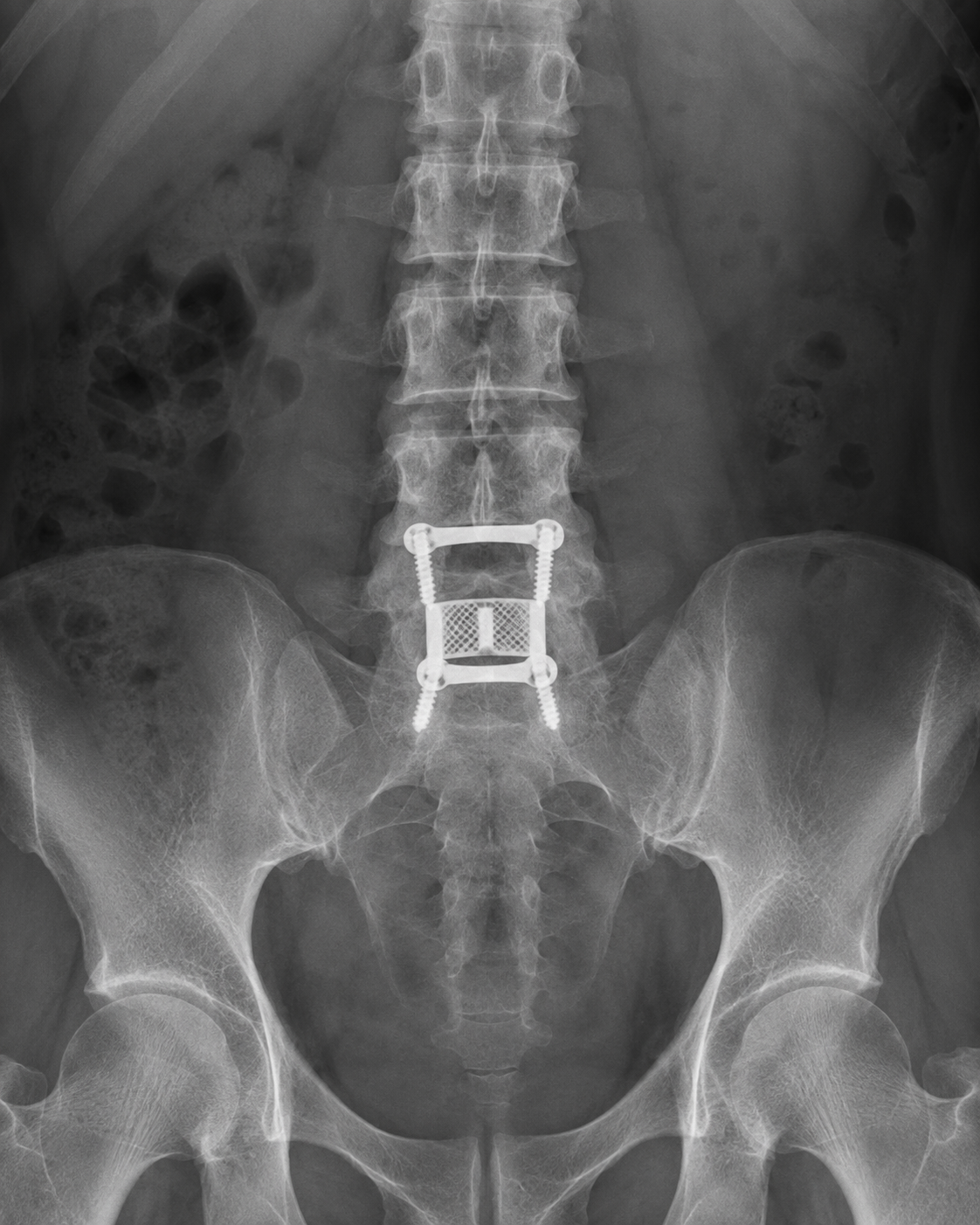
Anterior Lumbar Interbody Fusion (ALIF) Surgery in Los Angeles
Anterior lumbar interbody fusion is a minimally invasive spinal stabilization procedure performed through the abdomen. The damaged disc is removed and replaced with a bone-filled spacer that restores disc height and supports fusion between the vertebrae. Patients typically begin walking shortly after surgery and gradually resume routine activities over several weeks. High-impact activities may remain restricted for three to six months, while the fusion can continue developing for up to a year. Reduced pain, improved function, stable alignment, and progressive bone growth on imaging are common indicators of success.
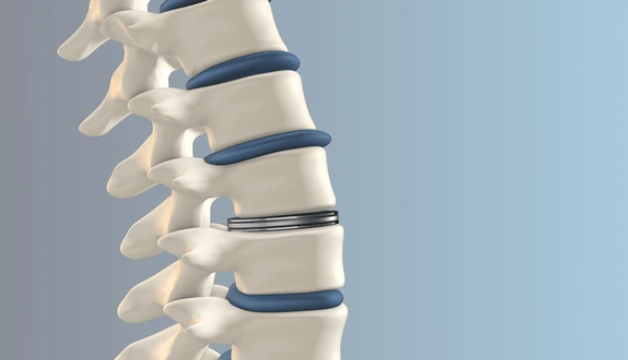
Artificial Disc Replacement Surgery in Los Angeles
Artificial disc replacement removes a damaged spinal disc and replaces it with a motion-preserving implant. For carefully selected patients, the procedure may relieve nerve-related or disc-related symptoms while maintaining movement at the treated spinal level.
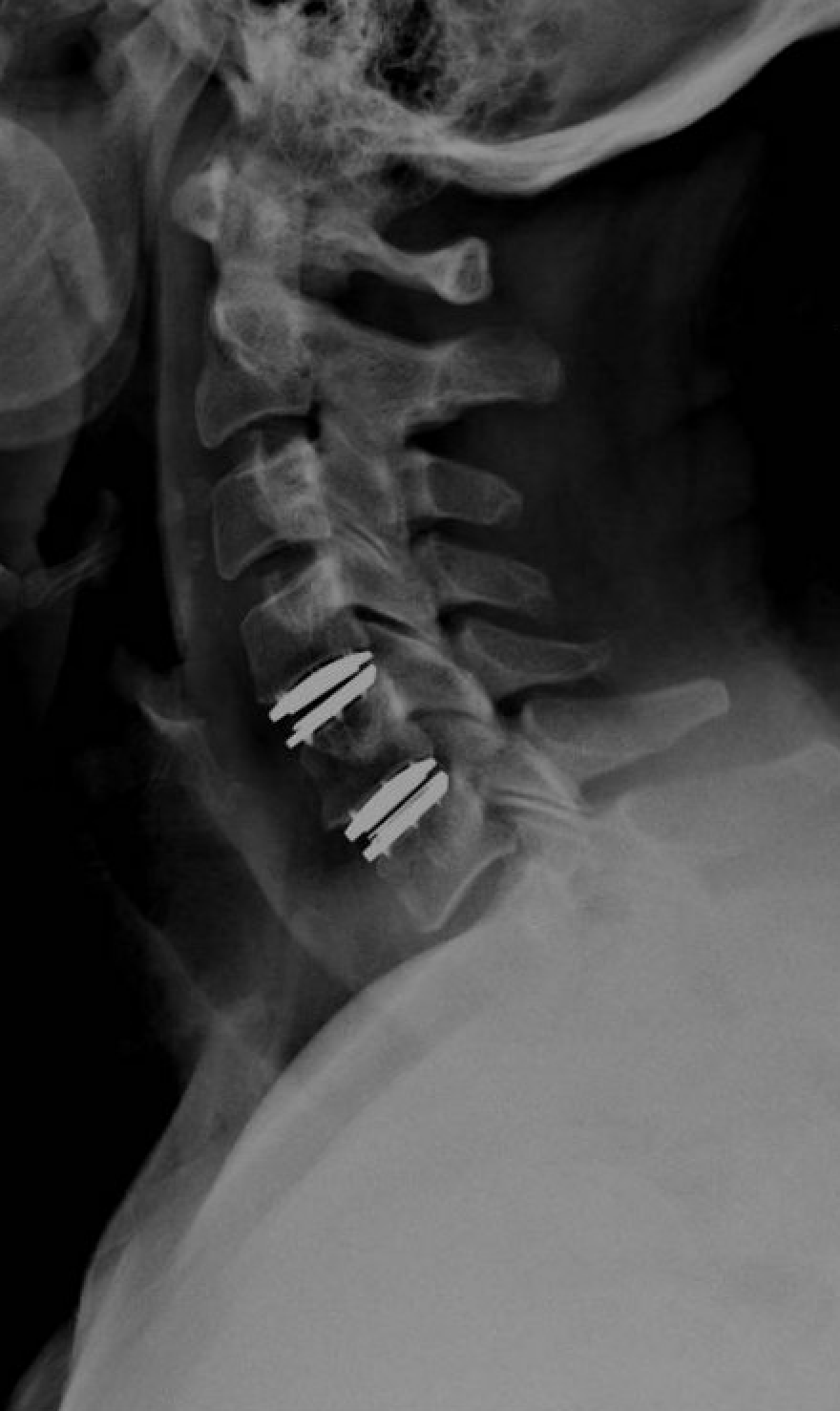
Cervical Disc Replacement in Los Angeles
Cervical disc replacement (CDR), also known as cervical artificial disc replacement (ADR), is a motion-preserving surgical option for select patients with symptomatic cervical degenerative disc disease or disc herniation. Dr. Brandon Ortega performs cervical disc replacement in Los Angeles for appropriate candidates seeking an alternative to anterior cervical discectomy and fusion (ACDF). During the procedure, the damaged disc is removed and replaced with an artificial disc designed to maintain motion, restore disc height, relieve pressure on the spinal cord or nerves, and improve neck and arm symptoms.
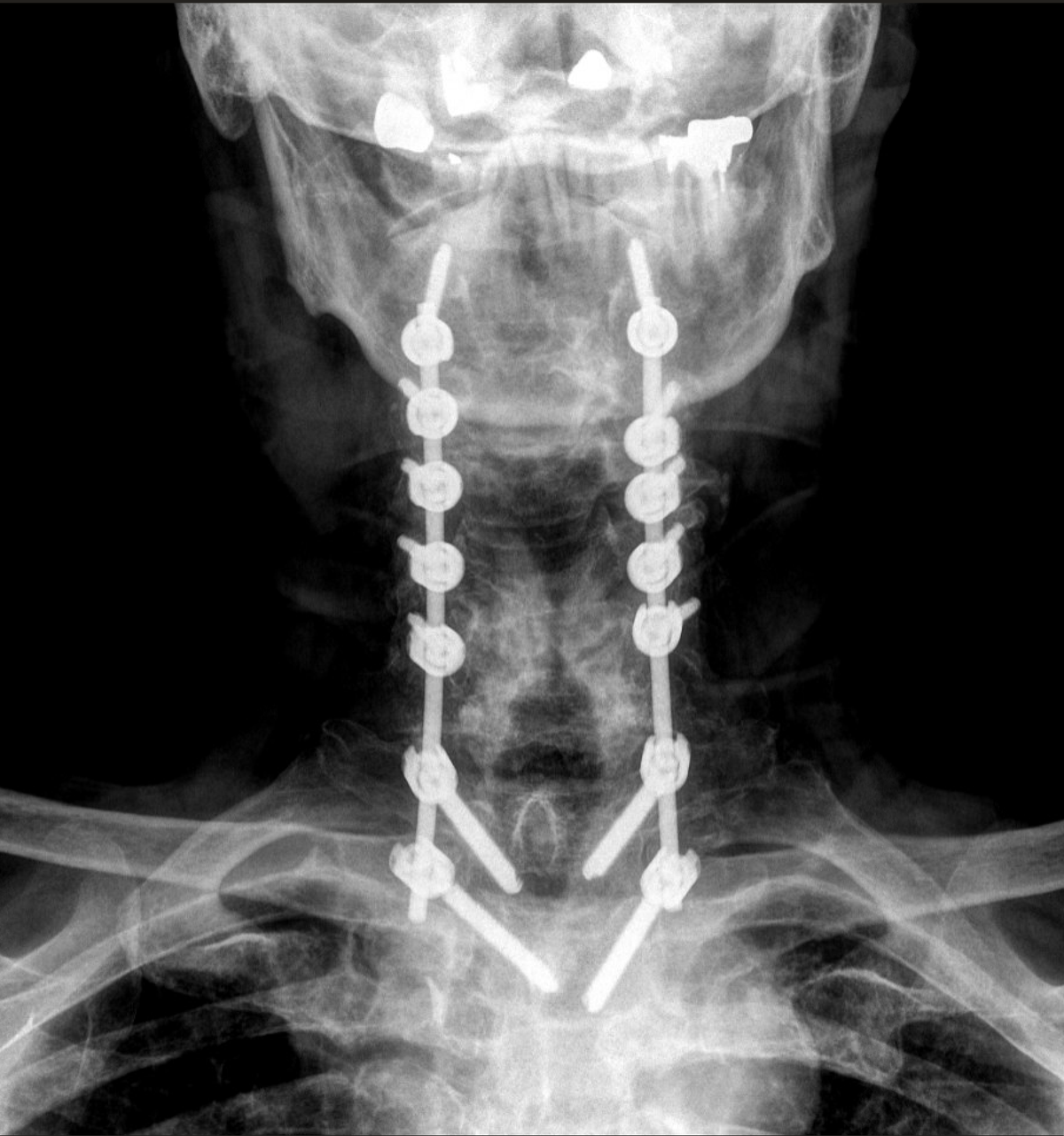
Cervical Laminectomy & Fusion in Los Angeles
Cervical laminectomy and fusion is a surgical treatment for multilevel cervical spinal stenosis, spinal cord compression, myelopathy, instability, and selected cervical deformities. The procedure combines a wide decompression of the spinal cord with stabilization of the cervical spine using screws and rods. Dr. Brandon Ortega performs posterior cervical laminectomy and fusion in Los Angeles for patients who require multilevel decompression when stabilization is also necessary.
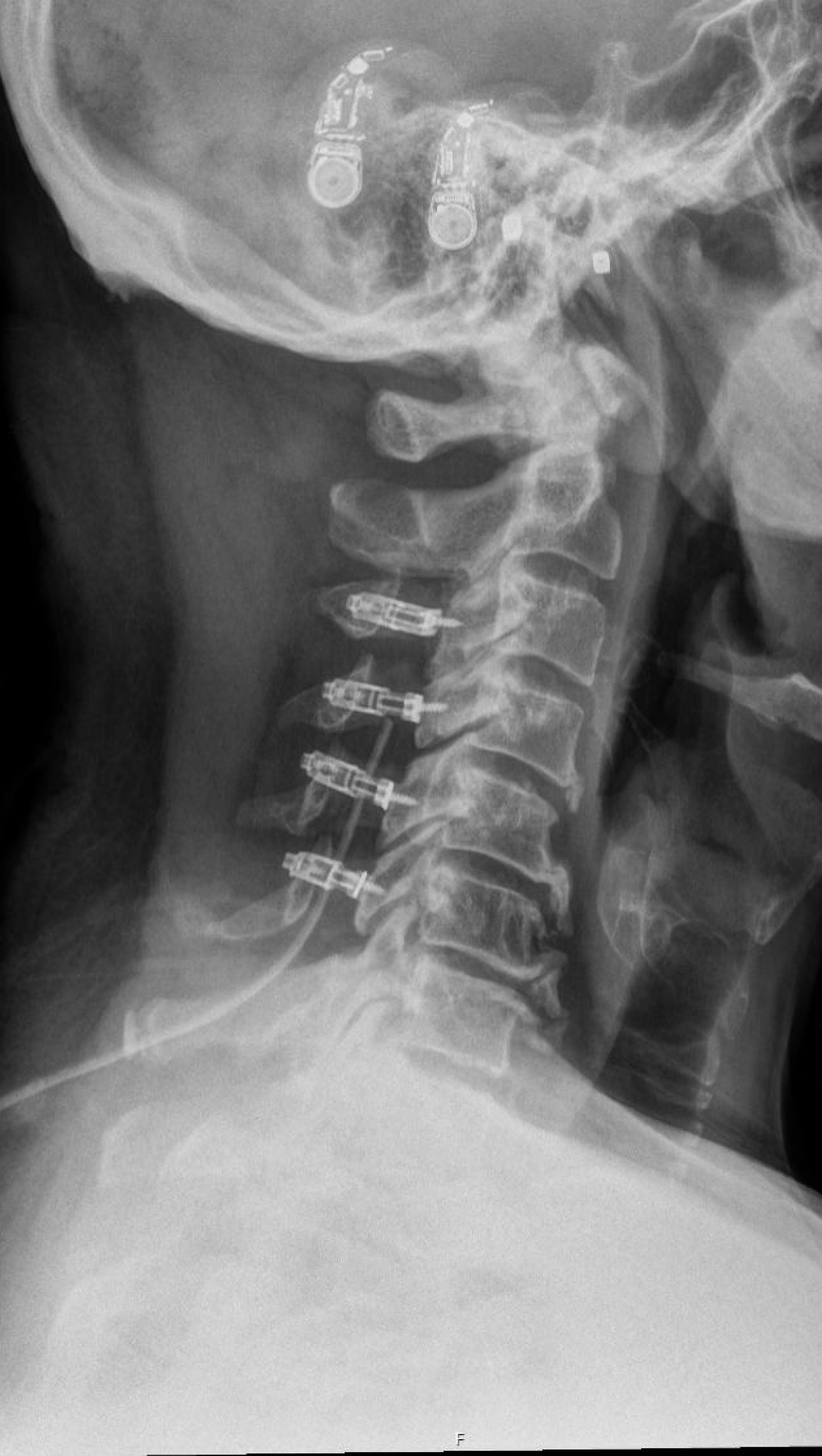
Cervical Laminoplasty in Los Angeles
Cervical laminoplasty is a motion-preserving surgical treatment for multilevel cervical spinal stenosis and spinal cord compression. Unlike a traditional laminectomy and fusion, laminoplasty expands the spinal canal while preserving the posterior structures of the cervical spine and avoiding fusion. Dr. Brandon Ortega performs cervical laminoplasty in Los Angeles for appropriately selected patients with cervical myelopathy who require multilevel spinal cord decompression while maintaining as much natural cervical motion as possible.
Cervical Procedures
Dr. Brandon Ortega, a fellowship-trained orthopedic spine surgeon based in Torrance and Long Beach, California, who specializes in cervical (neck) procedures, provides exceptional and comprehensive care for those experiencing chronic neck conditions like osteoarthritis and herniated discs. Dr. Ortega prioritizes conservative treatments whenever possible and utilizes his expertise in minimally invasive spine surgery to effectively alleviate pain and address underlying issues for long-lasting relief.
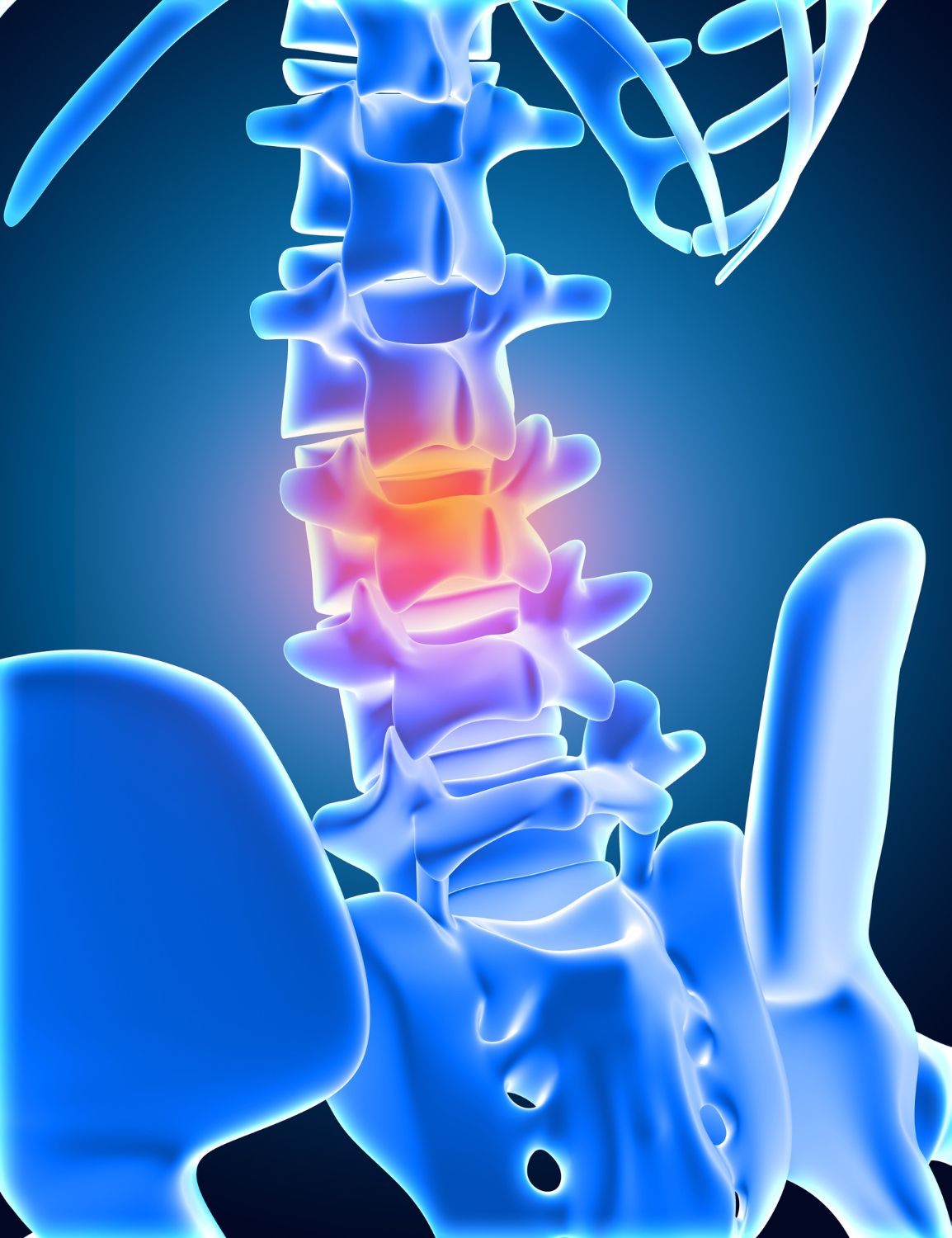
Laminectomies in Los Angeles
A laminectomy is a spinal decompression procedure used to create more room for the spinal cord or nerves. By removing part or all of the lamina—the bony structure covering the back of the spinal canal—the procedure may relieve pain, numbness, weakness, and mobility problems caused by nerve compression.
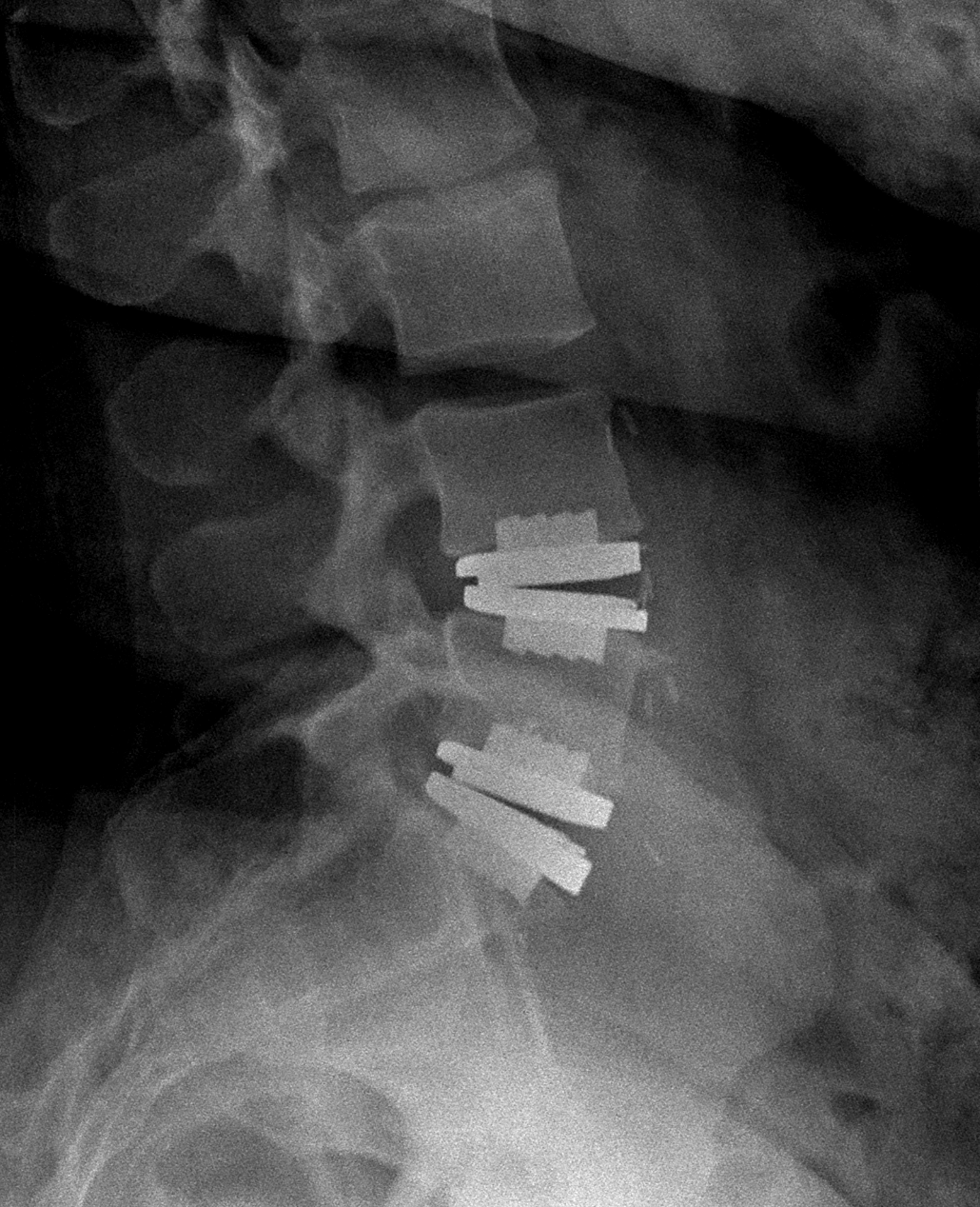
Lumbar Disc Replacement in Los Angeles
Lumbar disc replacement (LDR), also known as lumbar artificial disc replacement (ADR), is a motion-preserving surgical option for select patients with painful lumbar degenerative disc disease. Dr. Brandon Ortega performs lumbar disc replacement in Los Angeles for appropriate candidates seeking an alternative to spinal fusion. During the procedure, the damaged disc is removed and replaced with an artificial disc designed to maintain spinal motion, restore disc height, and relieve disc-related low back pain.
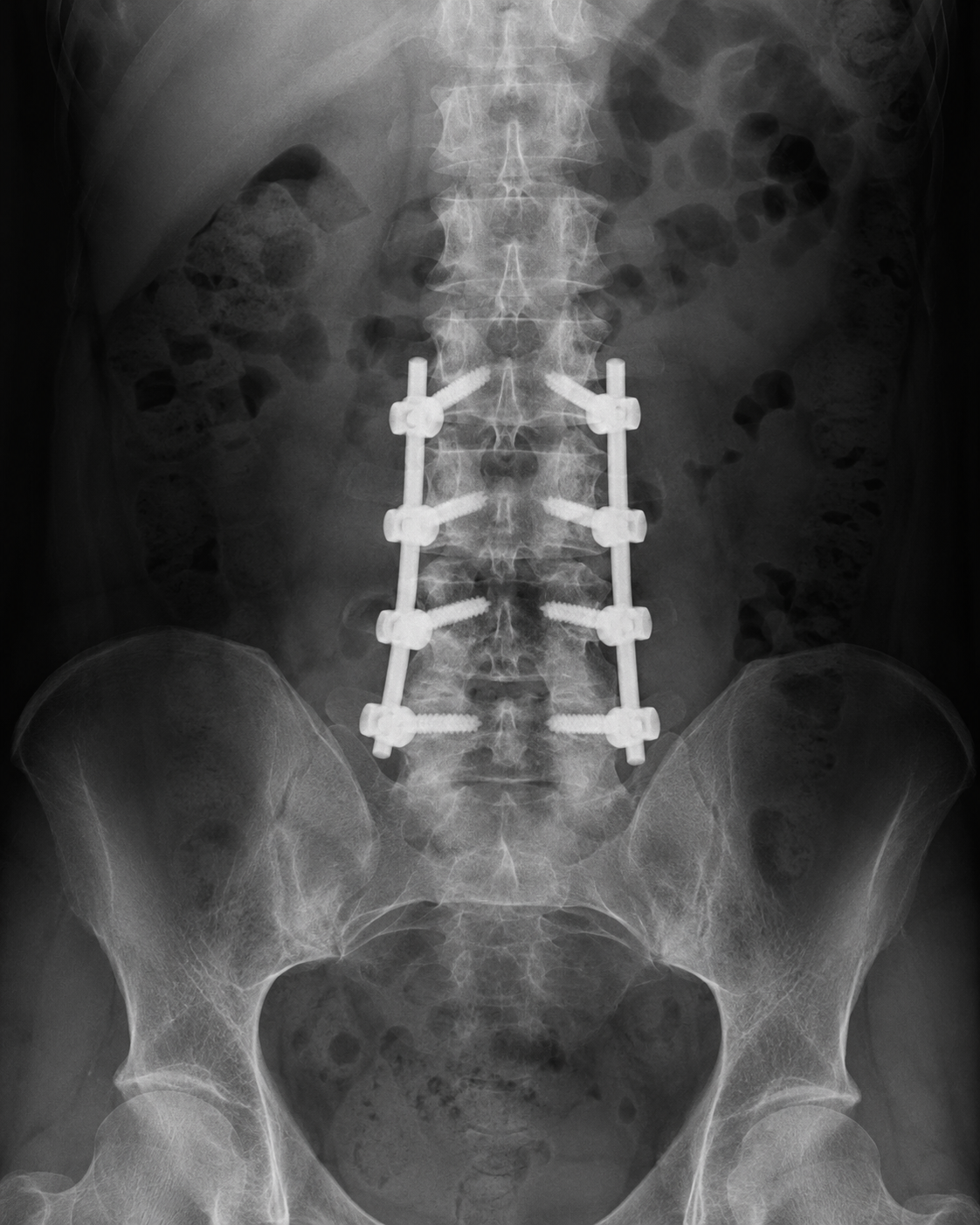
Lumbar Fusion Surgery in Los Angeles
Lumbar fusion surgery permanently joins two or more vertebrae in the lower back to treat instability, deformity, or painful abnormal motion. Selected procedures can be performed using minimally invasive techniques that reduce muscle disruption and incision size. Many patients gradually return to light daily activities within several weeks, although the vertebrae may require six months to a year to form a mature fusion. Reduced nerve-related pain, improved stability and mobility, maintained spinal alignment, and progressive bone growth on follow-up imaging are common indicators of success.
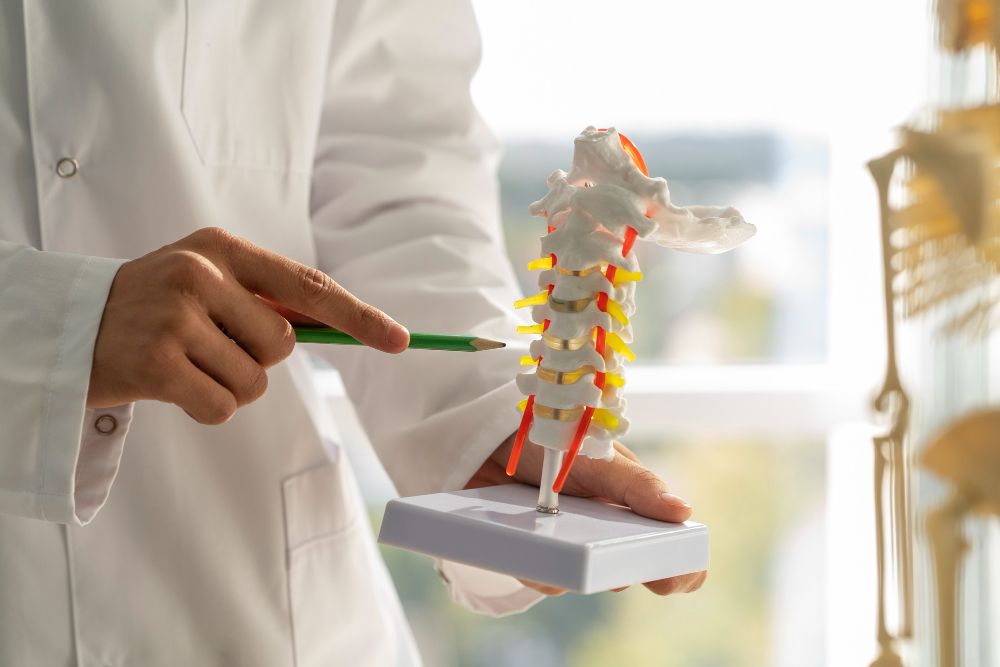
Microdiscectomy in Los Angeles
Find relief from pain, numbness, or weakness caused by a herniated disc. Microdiscectomy is a minimally invasive procedure designed to remove the disc material pressing on a spinal nerve while preserving as much healthy tissue as possible.
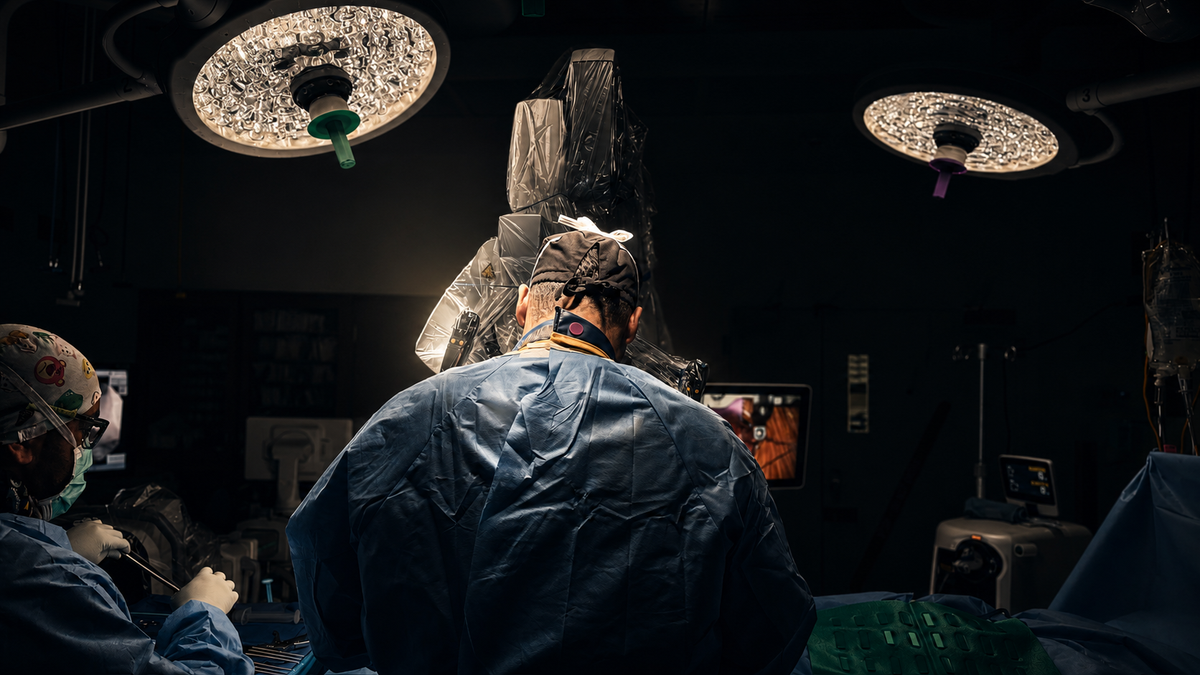
Minimally Invasive Spine Surgery in Los Angeles
Minimally invasive spine surgery uses specialized instruments, imaging, and smaller access points to treat certain spinal conditions while limiting disruption to surrounding muscles and soft tissue. Depending on the diagnosis, MISS may relieve nerve compression, restore spinal stability, or correct structural problems with less tissue exposure than traditional open surgery.
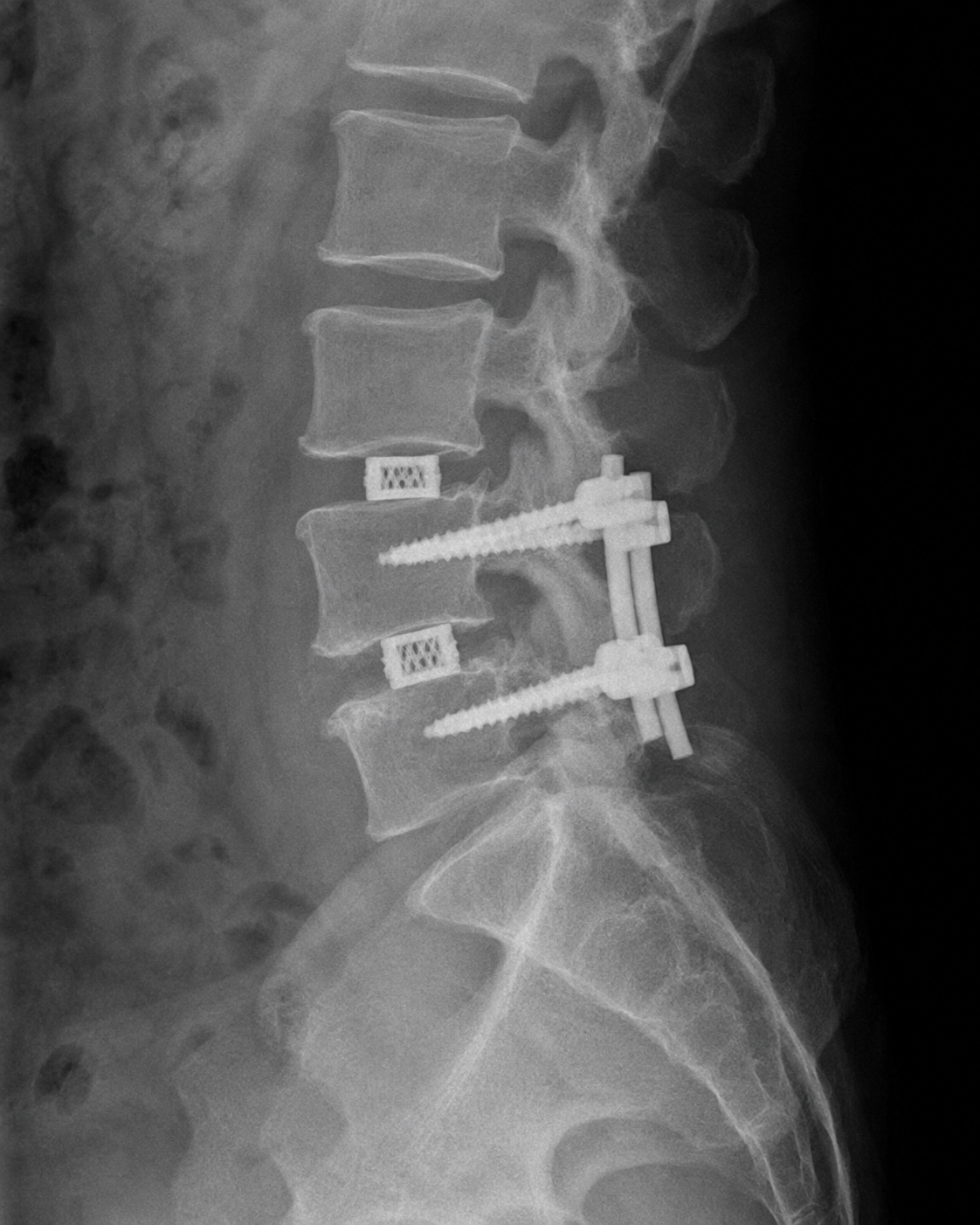
Posterior Lumbar Interbody Fusion (PLIF) Surgery in Los Angeles
Posterior lumbar interbody fusion stabilizes the lower spine by removing a damaged disc and placing bone-graft spacers between adjacent vertebrae. The procedure is performed through the back and may use an open or minimally invasive approach in selected patients. Many patients gradually resume light activities within several weeks, while the fusion continues developing over several months. Reduced back or leg pain, improved mobility, stable implants, and progressive bone growth on imaging are common indicators of success.
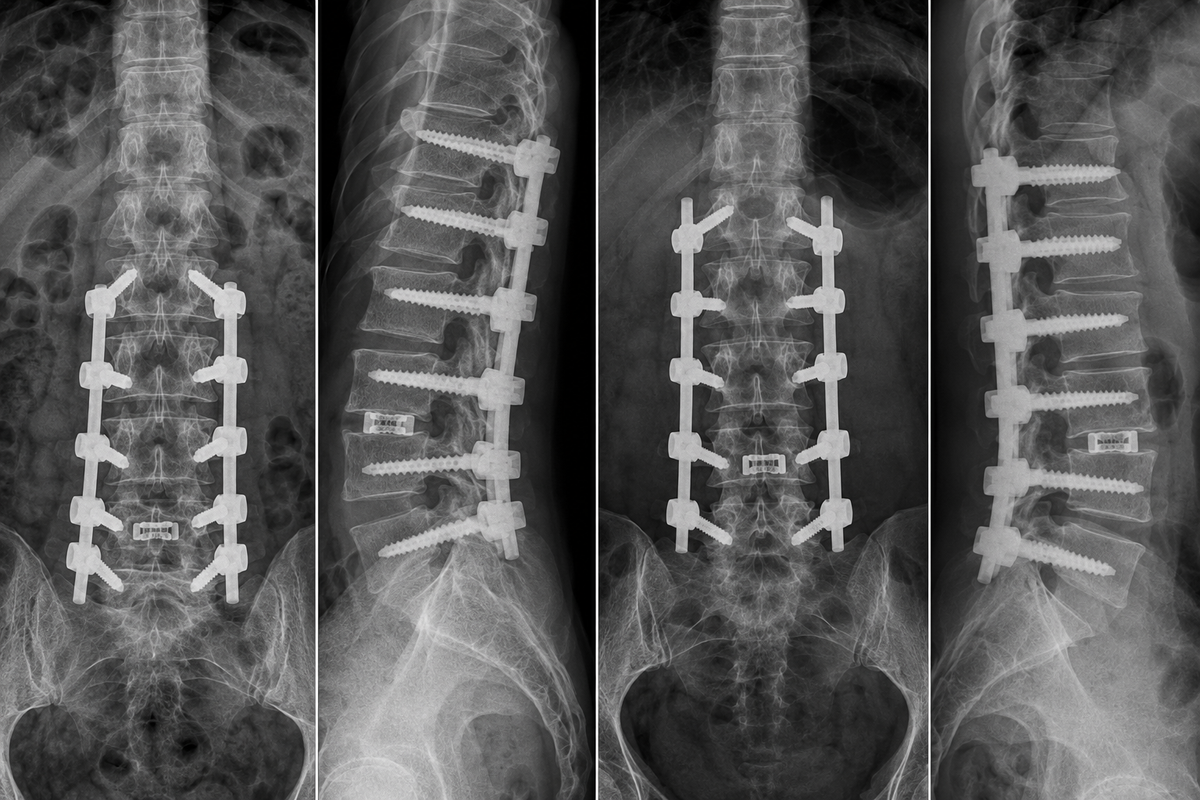
Revision Spine Surgery in Los Angeles
Revision spine surgery addresses a new, persistent, or recurrent problem following a previous spinal operation. Depending on the underlying issue, treatment may involve renewed nerve decompression, extension or repair of a fusion, or removal and replacement of spinal hardware. Selected revisions may be performed using minimally invasive techniques, but complex cases may require an open approach. Recovery ranges from several weeks to several months, with longer healing when fusion is involved. Reduced nerve-related pain, improved function, restored stability, and satisfactory findings on follow-up imaging are common indicators of success.

Second Opinions for Spine Surgery in Los Angeles
A spine surgery second opinion provides an independent review of your diagnosis, imaging, symptoms, and proposed treatment plan. The goal is to confirm whether surgery is appropriate, determine whether a different procedure may be preferable, and identify reasonable nonsurgical alternatives before you make a major treatment decision. A second opinion does not commit you to surgery or require a recovery period.
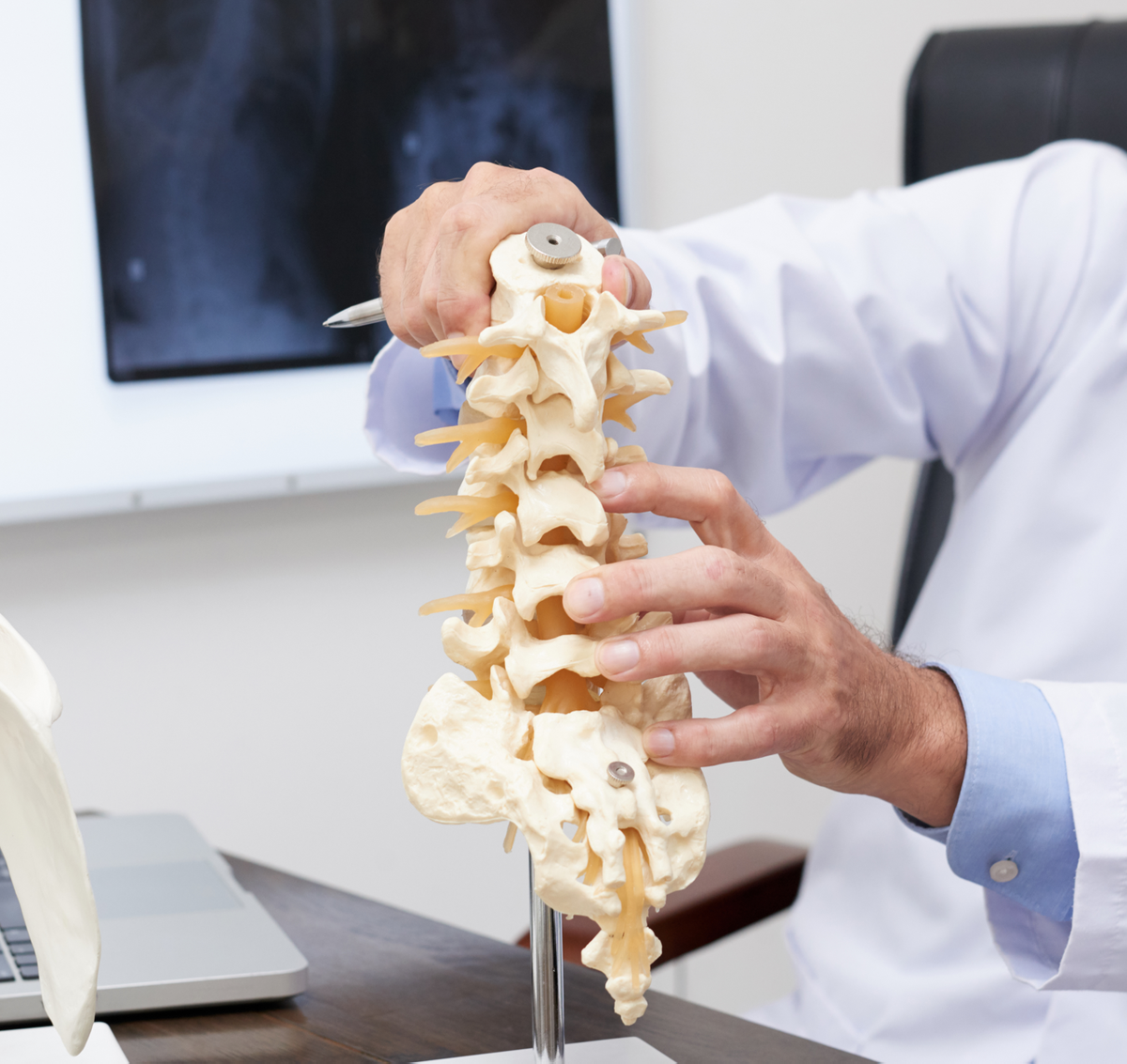
Spinal Evaluations and Conservative Care Discussions in Los Angeles
A spinal evaluation identifies the likely cause of neck, back, arm, or leg symptoms and determines whether nonsurgical treatment is appropriate. Conservative care is not surgery and does not require a surgical recovery period. Depending on the condition, treatment may include activity changes, medication, physical therapy, home exercises, or carefully selected injections. Many uncomplicated episodes of back pain improve within several weeks, while chronic or nerve-related conditions may require longer treatment.
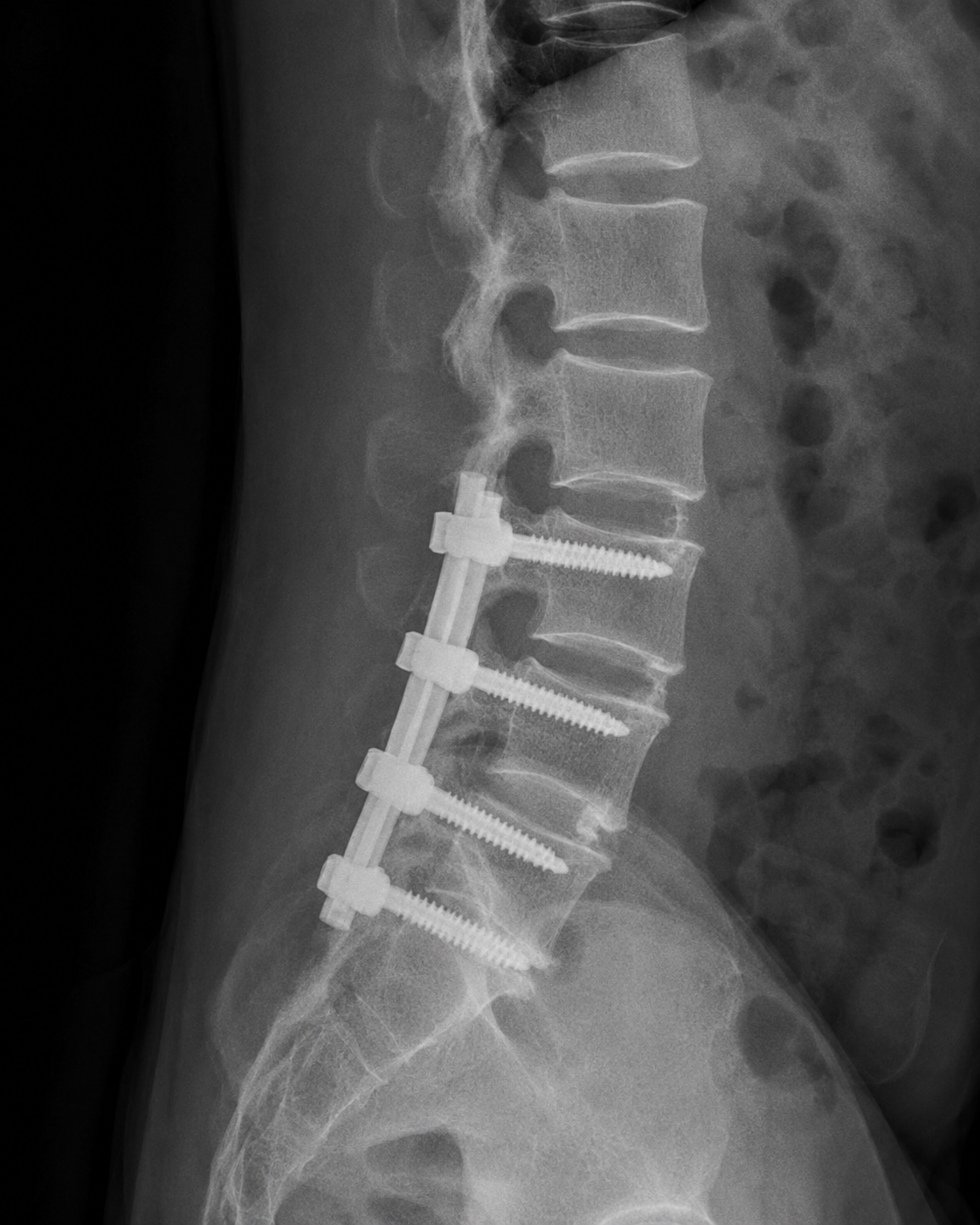
Spinal Fusion Surgery in Los Angeles
Spinal fusion surgery permanently joins two or more vertebrae to stabilize the spine, correct abnormal alignment, or support the spine after decompression. Selected cervical, thoracic, and lumbar fusions may be performed using minimally invasive techniques that limit muscle disruption and blood loss. Light activity is usually resumed gradually over the first several weeks, but the bones commonly require several months to form a solid fusion. Reduced nerve-related pain, improved function, stable alignment, and progressive bone healing on follow-up imaging are common indicators of success.
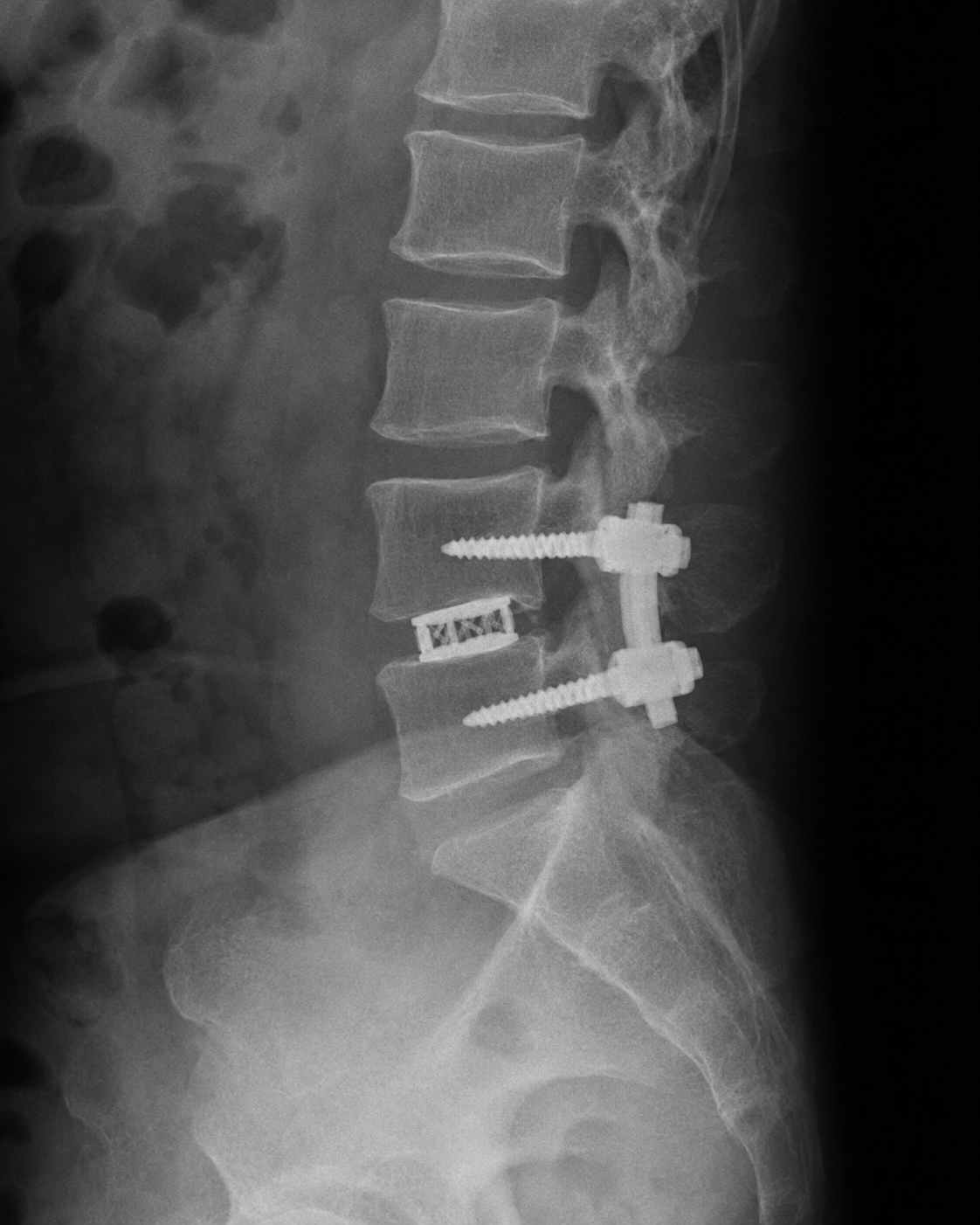
Transforaminal Lumbar Interbody Fusion (TLIF) Surgery in Los Angeles
Transforaminal lumbar interbody fusion stabilizes the lower spine by removing a damaged disc and placing a bone-filled spacer between adjacent vertebrae. TLIF may be performed through an open or minimally invasive approach; minimally invasive TLIF uses smaller incisions and less muscle dissection. Functional recovery commonly takes about 6 to 12 weeks, although complete fusion may take up to a year. Reduced back or leg pain, improved mobility, stable implants, and progressive bone growth on imaging are common indicators of success.
No items in this region.